If you're leasing retail space — especially in a plaza or shopping centre — an exclusive use clause is one of the most valuable protections you can negotiate. It's the term that stops the landlord from leasing nearby space to a direct competitor. Without it, you could find yourself with a competing business opening next door halfway through your term, eroding the very traffic that made you choose the location.
What it does
An exclusive use clause gives you the exclusive right to operate a specific type of business within the centre or plaza. If you lease space to open a bakery, the clause might prevent the landlord from leasing another unit to a different bakery. It protects your trade area from cannibalization by a landlord who, all else equal, would rather fill a vacancy than protect your business. The more specific and well-drafted the clause, the more protection it gives you.
When it matters most
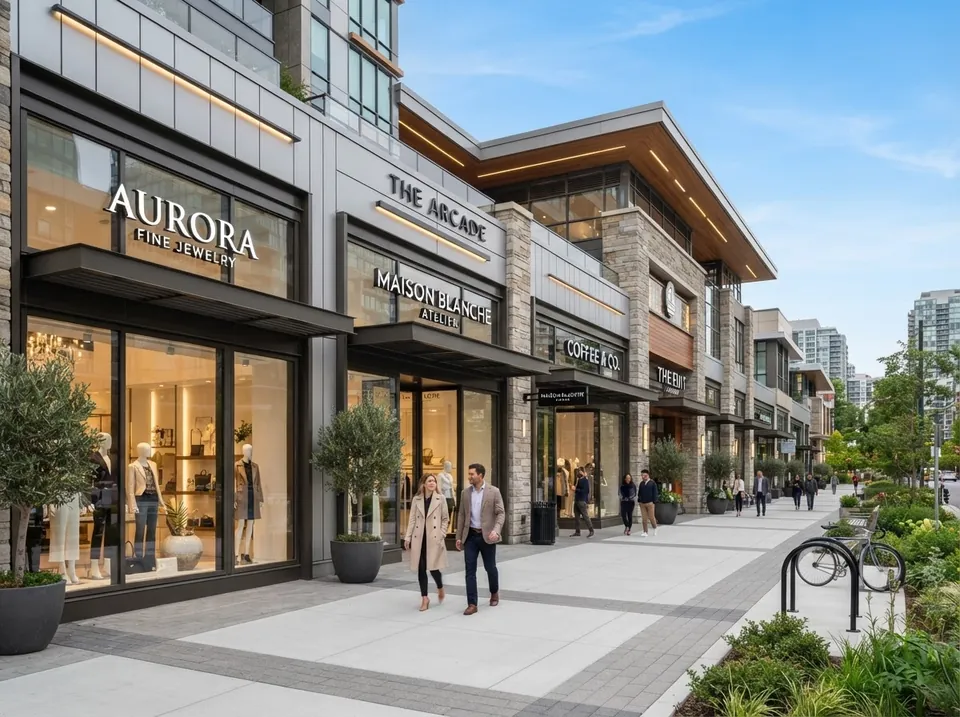
Exclusives matter most in multi-tenant retail — plazas, shopping centres, and mixed-use ground floors with shared parking and traffic. In a single-tenant freestanding building, the issue is less acute. They're especially important for food, service, and specialty retail where a direct competitor nearby can meaningfully split your customer base.
What to negotiate
- Scope — define the use precisely. 'Restaurant' is broad; 'bakery selling bread and pastries' is narrow.
- Radius or premises — does it apply to the whole centre, the adjacent units, or a defined radius?
- Remedies — what happens if the landlord breaches? Rent reduction, the right to terminate, or damages?
- Duration — does it last for your full lease term, including renewal options?
- Exceptions — are existing tenants grandfathered? Are anchor or sublease tenants excluded?
A vague exclusive — 'landlord won't lease to a similar business' — is weak and hard to enforce. A well-drafted one names the use, the area, the remedies, and the term. Landlords push back on scope and remedies, but for a credible tenant with leverage, a meaningful exclusive is often achievable. Review it with a lawyer before you sign; a poorly drafted clause is barely better than none.
Related: co-tenancy clauses
A co-tenancy clause is a related protection: it ties your rent or certain obligations to the continued occupancy of an anchor or key tenant. If the anchor leaves and traffic drops, the clause may let you pay reduced rent or terminate. Exclusives and co-tenancy are the two clauses that protect a retail tenant from the landlord's leasing decisions — both worth negotiating before you sign.
Negotiating a retail lease? Explore lease advisory or book a consultation.
Hiren Patoliya, REALTOR® | HomeLife/Miracle Realty Ltd., Brokerage. 821 Bovaird Dr W, Unit #31, Brampton, ON L6X 0T9. (647) 391-9502 | hpatoliya@krishiva.ca. General information; obtain legal advice before signing a lease.

Hiren Patoliya
Commercial Real Estate Advisor, HomeLife/Miracle Realty
Hiren Patoliya is a licensed REALTOR® at HomeLife / Miracle Realty in Brampton, representing buyers, sellers, landlords, tenants, and investors across the GTA. Reach him at (647) 391-9502 or hpatoliya@krishiva.ca.