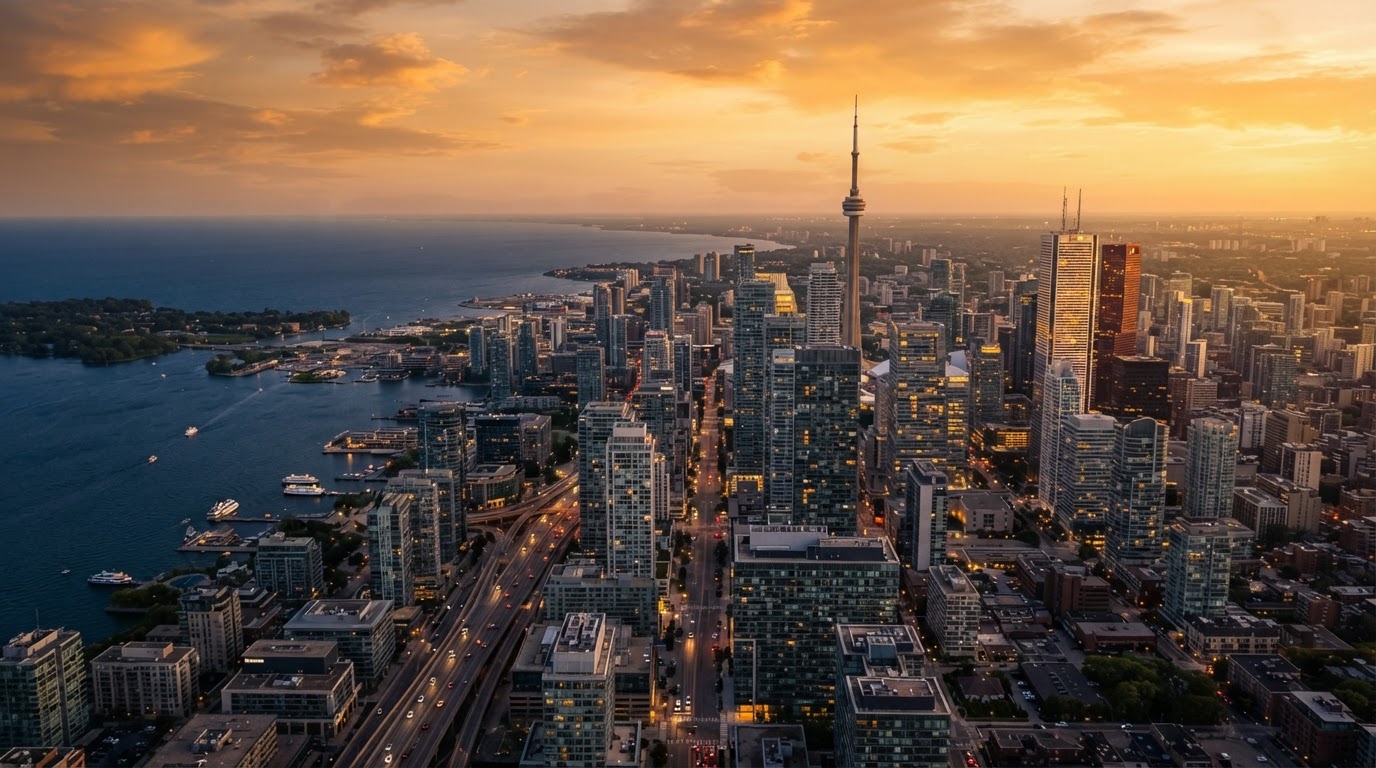
GTA commercial capital doesn't flow evenly — it concentrates where fundamentals, transit, and growth align. For investors underwriting in 2026, here's how I think about the submarkets and asset classes across Brampton, Mississauga, Toronto, and Markham — and the framework I use to weigh each one.
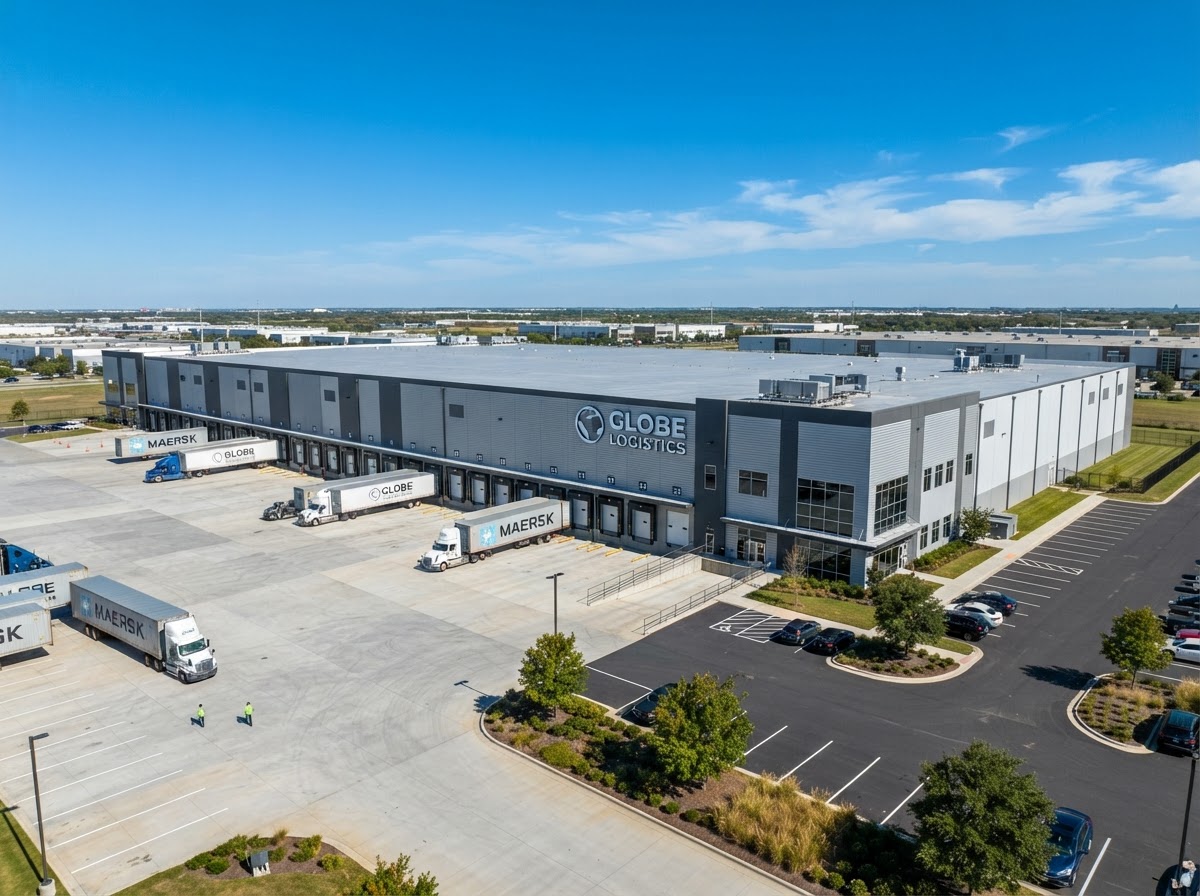
Brampton — industrial and intensification corridors
Brampton's industrial corridor along the Highway 410 and 407 is a core logistics and distribution submarket, and highway access there is hard to replicate. Beyond industrial, Brampton's intensification corridors along Bovaird and Highway 50 are where mixed-use and multifamily development is moving, driven by official-plan growth and transit planning. Land with rezoning potential here is an option on the city's next decade — I'll pull current vacancy, asking rents, and comparable sales for the specific pocket you're considering.
Mississauga — City Centre and Port Credit
The planned Hurontario LRT is reshaping how investors think about Mississauga City Centre, and office and mixed-use within walking distance of the line are worth watching. Port Credit, with its GO station and Lakeshore frontage, supports mixed-use and boutique retail. For investors, the framework is transit-oriented — assets that benefit from the mobility the LRT and GO bring.
“Transit changes everything about a submarket's rent trajectory. I weight current and planned transit heavily when underwriting office and mixed-use.”
— Hiren Patoliya
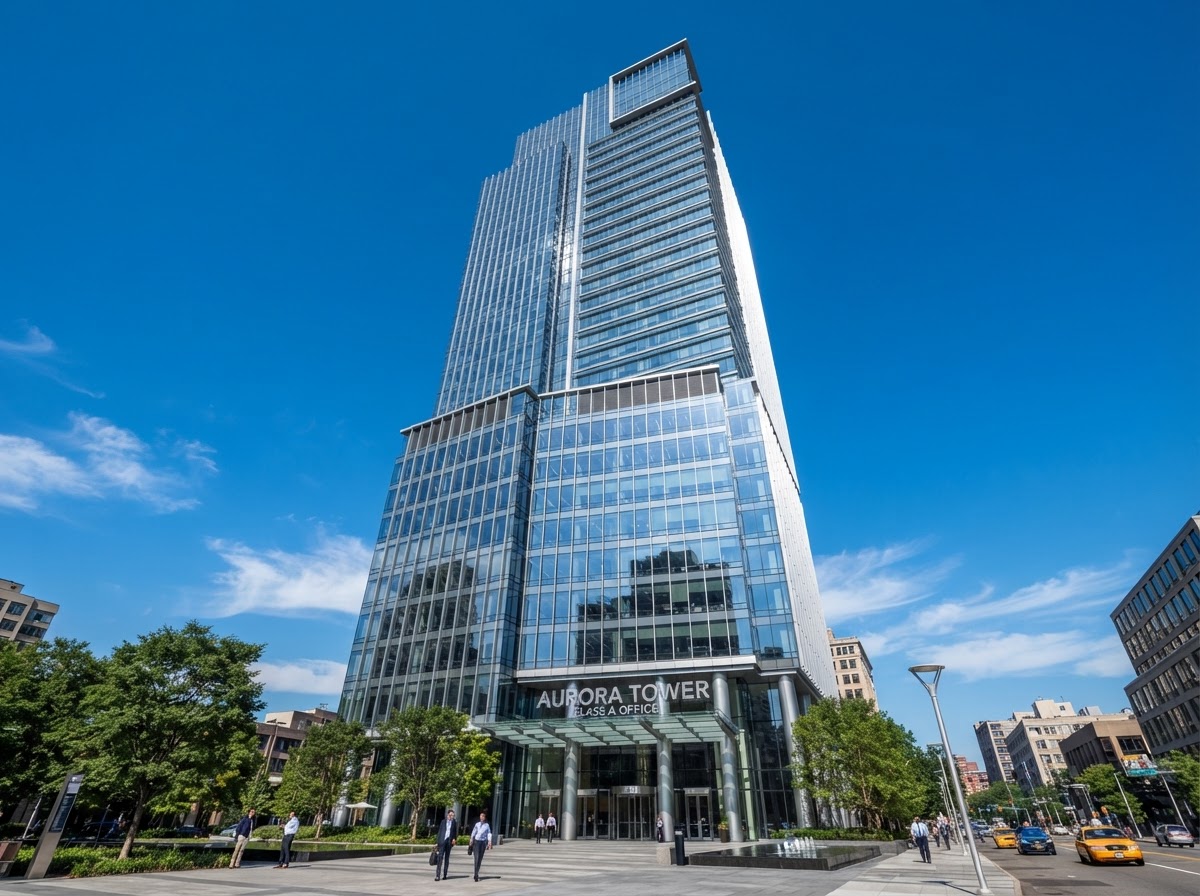
Toronto — Etobicoke waterfront and the downtown core
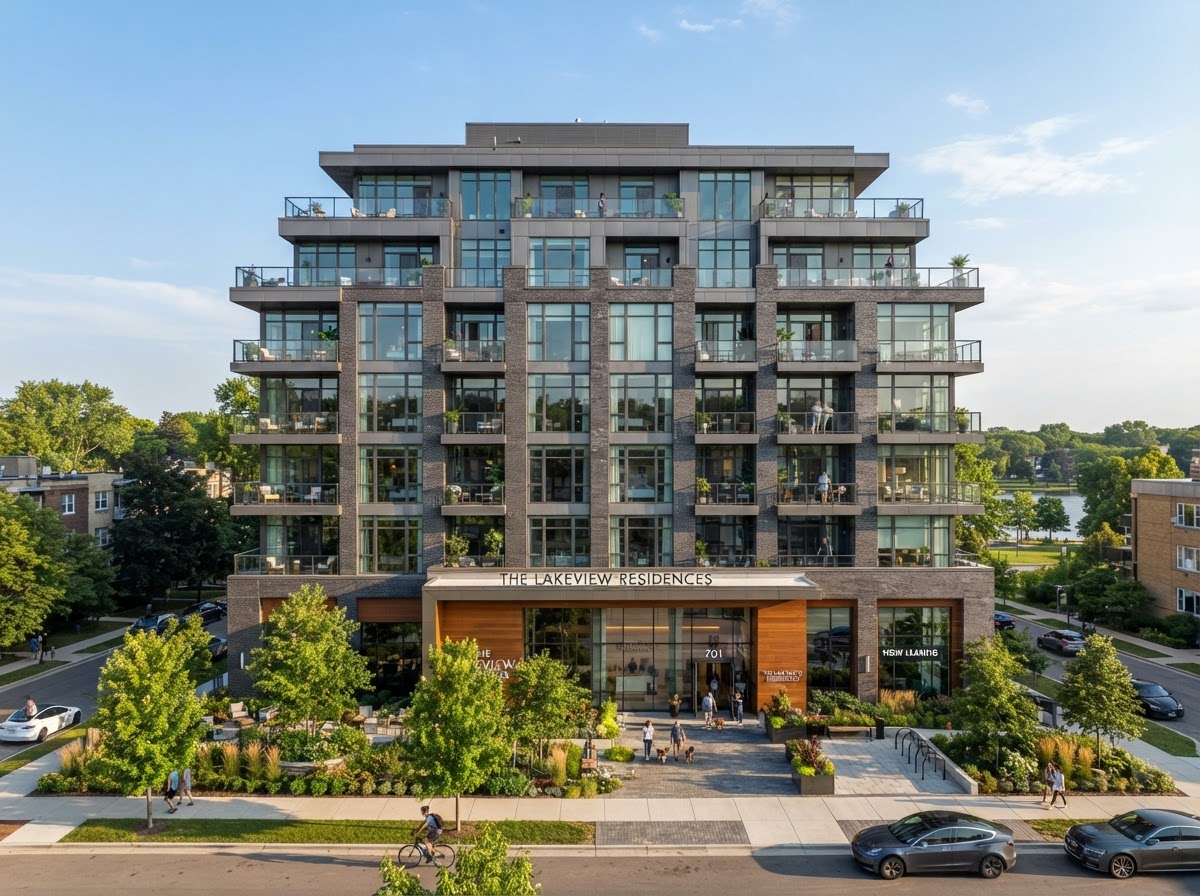
Etobicoke's lakeshore — Mimico and Long Branch — offers multifamily opportunity where older rents roll to market and the transit story continues to build. Downtown, the office story varies sharply by building quality, tenancy, and transit access. For investors, the downtown office play is selective and credit-driven, not broad — I underwrite each asset on its own fundamentals.
Markham — tech corridor and arterial development
Markham's tech corridor along Highway 404 supports office demand tied to the tenant base, and arterial corridors like Markham Road are seeing mid-rise mixed-use rezoning applications. For investors, Markham offers a different risk profile than Brampton or Mississauga — more office-weighted, more tech-tenant-driven, and with development land along its arterials.
How to choose your submarket
- Match the asset class to the submarket's fundamentals, not the other way around.
- Weight transit — current and planned — heavily in office and mixed-use.
- Underwrite industrial to highway access and current vacancy, not just the cap rate.
- For multifamily, model the rent-roll gap to market and the turnover upside.
- For land, assess the entitlement path and servicing before pricing in rezoning.
Every submarket has a thesis; the work is matching it to your return target, hold period, and risk tolerance. If you're weighing a GTA acquisition, send me the address and I'll give you my read on the submarket and the deal.

Hiren Patoliya
Commercial Real Estate Advisor, HomeLife/Miracle Realty
Hiren Patoliya is a licensed REALTOR® at HomeLife / Miracle Realty in Brampton, representing buyers, sellers, landlords, tenants, and investors across the GTA. Reach him at (647) 391-9502 or hpatoliya@krishiva.ca.